text.skipToContent text.skipToNavigation
Header_borging.png

Locking, a topic that always remains relevant

Locking is all about creating and maintaining safe connections. When joining multiple components, you can choose from various techniques, such as welding, bonding and, of course, bolting. Threaded connections offer several advantages. For many applications, they are relatively easy to calculate, can withstand both axial and shear forces, and assembly is quick, usually without complex equipment.

Sufficient preload is essential

For a reliable threaded connection, it is important to pay sufficient attention to its design and assembly. Eighty percent of bolt failures in machines or structures are caused by insufficient preload in the connection. Sometimes insufficient preload is applied during assembly, but more often the original preload is lost entirely or partially over time. As a result, the dynamic load is transferred directly to the bolts, resulting in failure. Connection failures can have serious consequences: downtime of machines or entire production processes, vehicle failures and even accidents. And, of course, you want to prevent that.


Locking adds safety to your construction

Well-designed threaded connections will not loosen if assembled correctly. However, it is not always possible to design a connection so that it can optimally withstand all external influences. That is where locking products provide the solution. Locking products prevent bolted connections from loosening as a result of vibration or other dynamic loads. Consider, for example, the vibrations to which connections in trains or construction machinery are exposed.

With the right locking method, you prevent the loss of preload and achieve a reliable construction. Within the extensive range of locking products, there are different types and brands, each with its own specific characteristics. Which locking product is best suited for which application? We have listed the specifications of three leading brands for you.


Nord-Lock: "Locked with confidence"

Your application and the degree to which the construction is exposed to vibration determine which locking product is best suited for your needs. Nord-Lock wedge-locking washers are designed for applications exposed to extreme vibration. They are widely used in cars, trucks and trailers, as well as in a wide range of machinery and wind turbines.

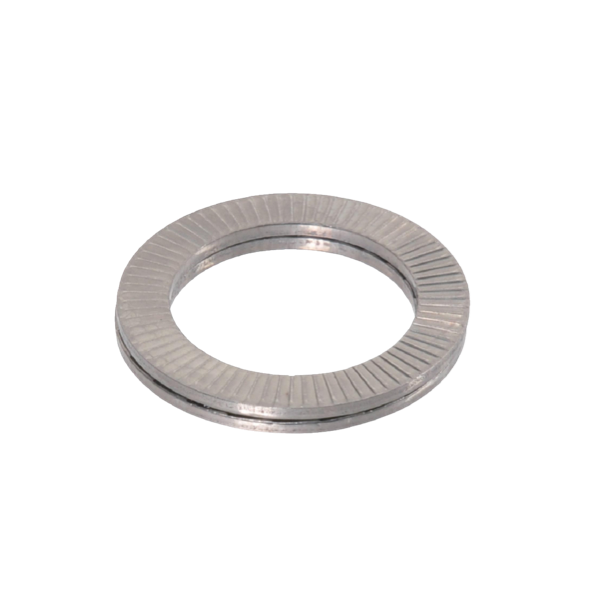
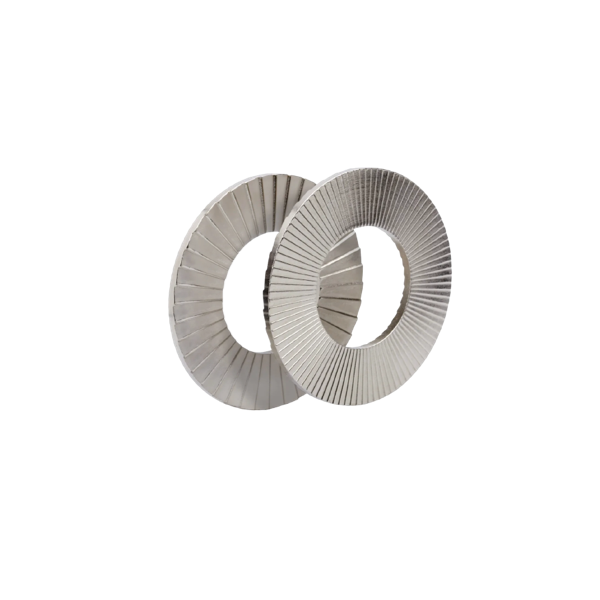
The innovative Nord-Lock wedge-locking technology works by using preload rather than mechanical friction. Thanks to the wedge effect between the two washers placed beneath the bolt head and nut, the assembly cannot loosen unintentionally.

What makes Nord-Lock unique

  • Two-washer system provides optimum locking performance
  • Compensates for self-loosening while maintaining preload
  • High corrosion resistance
  • Quick and easy to install and remove using standard hand tools

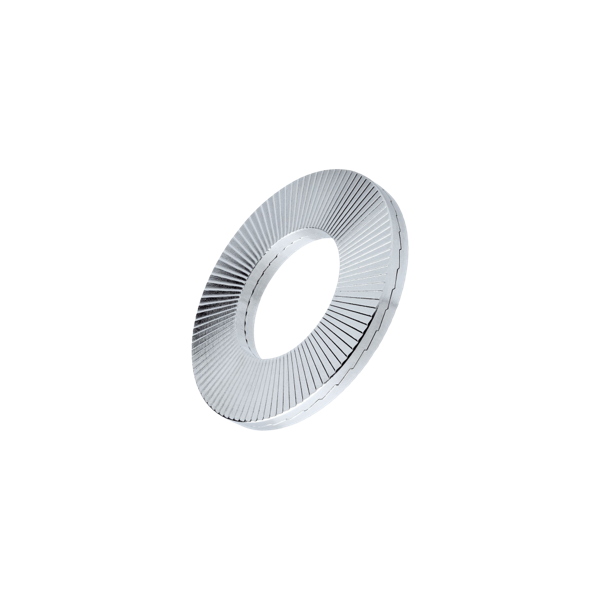
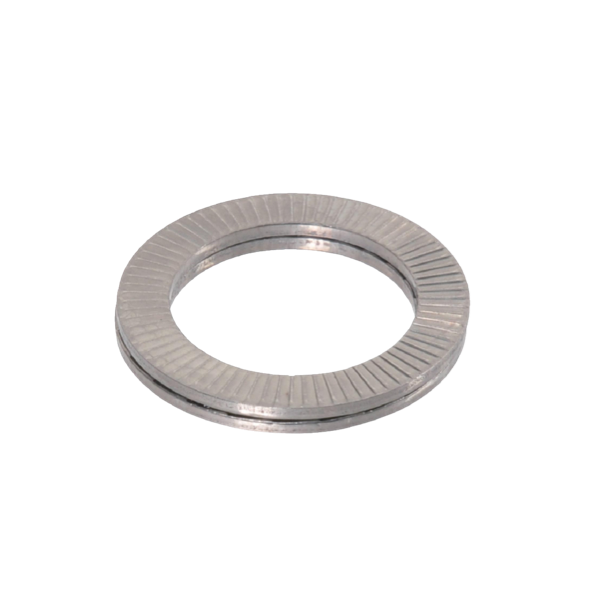
Nord-Lock wedge-locking washers

Learn more about Nord-Lock

Spiralock: "The edge is in the wedge"

Spiralock nuts are also highly suitable for use in connections subjected to severe vibration. Industries in which these nuts are widely used include agriculture, oil & gas and automotive.

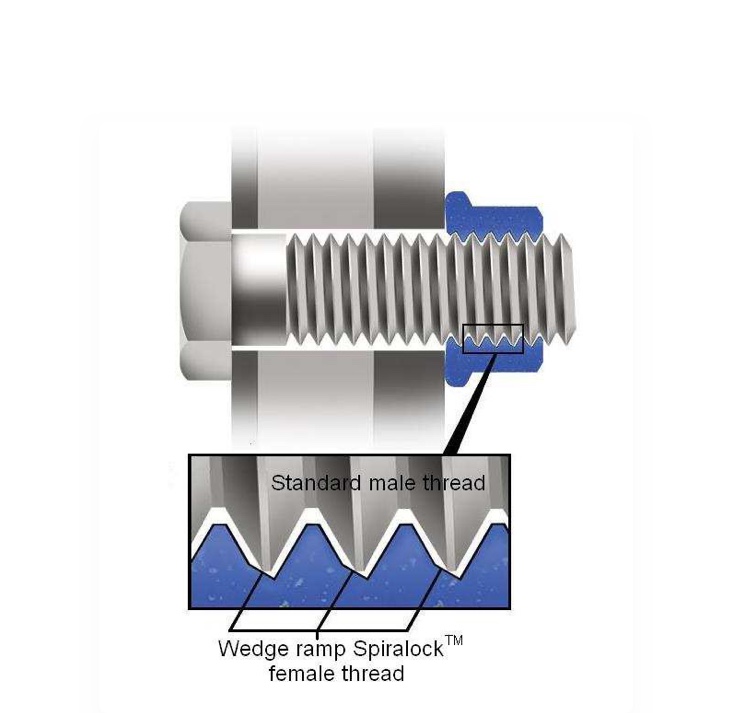
Spiralock has developed a self-locking internal thread with a 30-degree wedge in the thread. The wedge ramp prevents micro-movements caused by vibration and thermal fluctuations. With this modification to the thread geometry, additional locking devices are no longer required.

What makes Spiralock unique

  • Self-locking internal thread
  • Free-running until preload is applied
  • Uniform thread load distribution
  • Compatible with standard bolts
  • Reusable while retaining 100% locking performance

Spiralock self-locking internal thread technology

Close-up of the Spiralock 30° wedge ramp thread profile that prevents self-loosening under vibration

Loctite: "Failure is not an option"

When it comes to threadlocking, Loctite cannot be overlooked. It is one of the best-known liquid threadlocking solutions. Loctite is an adhesive that fills the clearance in the thread, creating a strong, reliable joint. Did you know it is essential to thoroughly clean the thread before applying the adhesive? Only then can Loctite truly perform as intended.

What makes Loctite unique

  • Locks and seals simultaneously
  • Optimum preload retention
  • Prevents galling and cold welding for easy disassembly
  • Provides lubrication for controlled tightening torque during assembly
  • Available in various strengths and application methods

Learn more about Loctite

Loctite threadlocking adhesive


Compare Locking Methods

Operating principle:
Wedge locking through clamp force

Best suited to:
Extreme vibration

Preload retention:
★★★ Excellent

Reusability:
Yes, after inspection

Compatibility:
Standard bolts and nuts

Disassembly:
Hand tools

Corrosion resistance:
Delta Protekt® or A4 stainless steel

Additional function:
None

Cleaning recommended:
No

Typical applications:
Cars, trucks, wind turbines and machinery

Operating principle:
30° wedge ramp in the internal thread

Best suited to:
Severe vibration and thermal cycling

Preload retention:
★★★ Excellent

Reusability:
Yes, 100% reusable

Compatibility:
Standard metric bolts

Disassembly:
Standard tools

Corrosion resistance:
Zinc-plated steel or A4 stainless steel

Additional function:
Even thread-load distribution

Cleaning recommended:
No

Typical applications:
Agriculture, oil and gas, and automotive

Operating principle:
Liquid adhesive fills thread clearances

Best suited to:
Static to moderate loads

Preload retention:
★★ Good when the correct strength is used

Reusability:
Limited; remove and reapply

Compatibility:
All thread types

Disassembly:
Depends on strength: 222 is easy, 270 is more difficult

Corrosion resistance:
Not applicable

Additional function:
Locks and seals

Cleaning recommended:
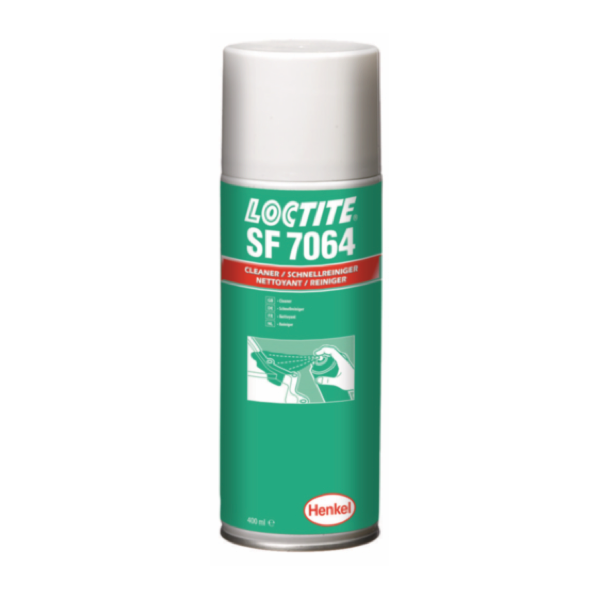
Yes, use Loctite 7064 before application

Typical applications:
Universal applications and fine threads

Frequently Asked Questions About Locking Methods

When should I use locking products?

Locking products are essential where joints are exposed to dynamic loads such as vibration, shock and thermal cycling. Approximately 80% of bolt failures are caused by loss of preload rather than overloading. If your structure is exposed to vibration from machinery, vehicles or wind turbines, or to temperature fluctuations, a locking solution is essential for maintaining a reliable joint.

What is the difference between mechanical and chemical locking?

Mechanical locking systems such as Nord-Lock and Spiralock use a physical locking mechanism within the thread or beneath the bolt head. Preload is maintained by a mechanical barrier that resists rotation. Chemical locking products such as Loctite fill the clearance between threads with a curing liquid. Mechanical solutions are generally easier to reuse, while chemical locking also provides a sealing function.

Can I use Nord-Lock washers with standard bolts?

Yes. Nord-Lock wedge-locking washers work with standard bolts and nuts and do not require a special thread. They are installed as a pair beneath the bolt head or nut. No modification of the existing joint is required, provided there is sufficient space for the washer height.

Why must I clean the thread before applying Loctite?

Oil, grease and dirt on the thread prevent the Loctite liquid from bonding correctly. Without cleaning, for example with Loctite 7064, locking strength may be significantly reduced. Always clean both surfaces, including the bolt and nut threads, and allow the cleaner to evaporate completely before applying Loctite.

Which Loctite strength do I need: 222, 243 or 270?

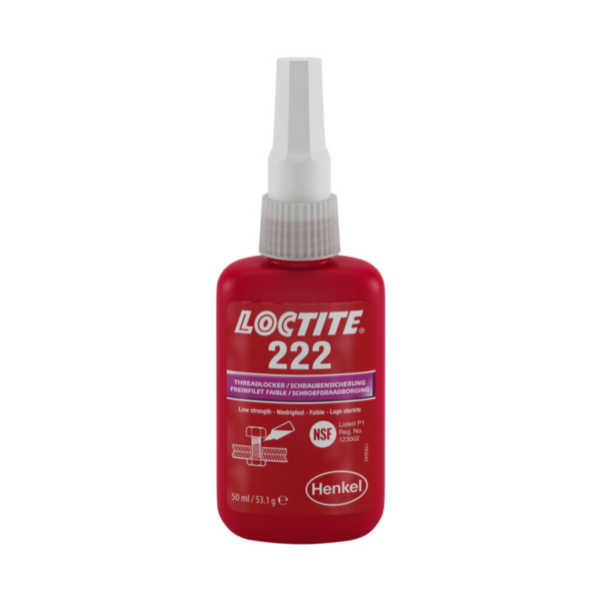
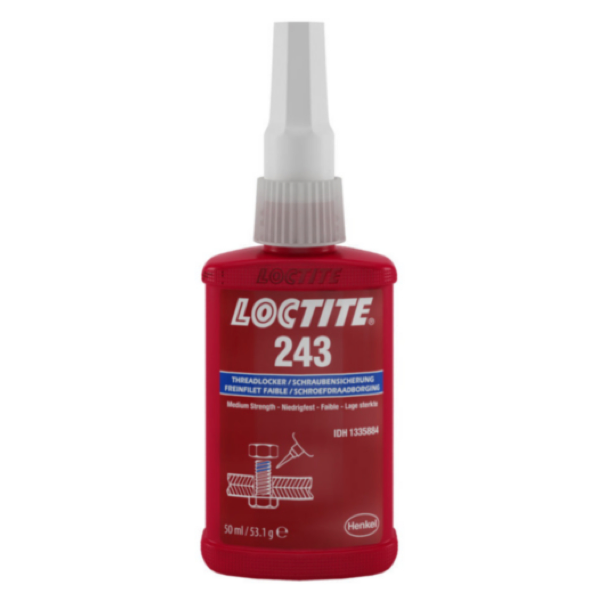
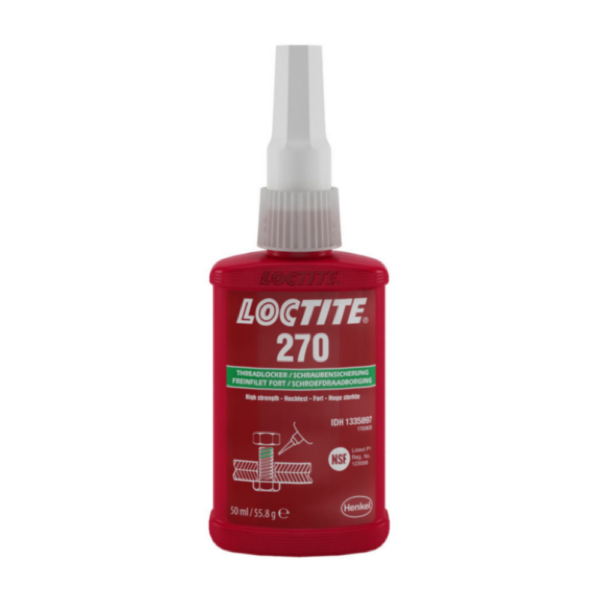
Loctite 222 is a low-strength product for fine threads up to M12 that require regular disassembly. Loctite 243 is a medium-strength, general-purpose product suitable for most applications up to M20 and can be removed with hand tools. Loctite 270 provides high-strength locking for permanent joints or larger diameters. Choose Loctite 243 as the standard option and only select another grade where the application has specific requirements.

View Locking Products

Nord-Lock Wedge-Locking Washers

Wedge-locking washers for reliable joints exposed to extreme vibration and dynamic loads.

View Nord-Lock Washers

Spiralock Lock Nuts

Self-locking nuts with a 30° wedge ramp for severe vibration, thermal cycling and repeated use.

View Spiralock Lock Nuts

Loctite Threadlocking

Liquid locking compounds, cleaners and other chemical products for locking and sealing threaded joints.

View Loctite Products

Learn more about forces in a bolted joint

Read more about galling in stainless steel fasteners

Learn more about A2 and A4 stainless steel fasteners

Compare with hot-dip galvanising

Last updated: 12 July 2026

Do not close this page. This message will disappear, when the page is fully loaded.